The Maldives Deep South Is Opening Up, and Addu Atoll Is at the Centre of It 30 January...
Read MoreAddu Travel and Tours knows the islands, the people, and the details that shape every journey in Addu Atoll. We connect travelers with trusted local partners, organize every part of the trip with care, and help guests experience Addu in a way that feels natural, smooth, and personal.
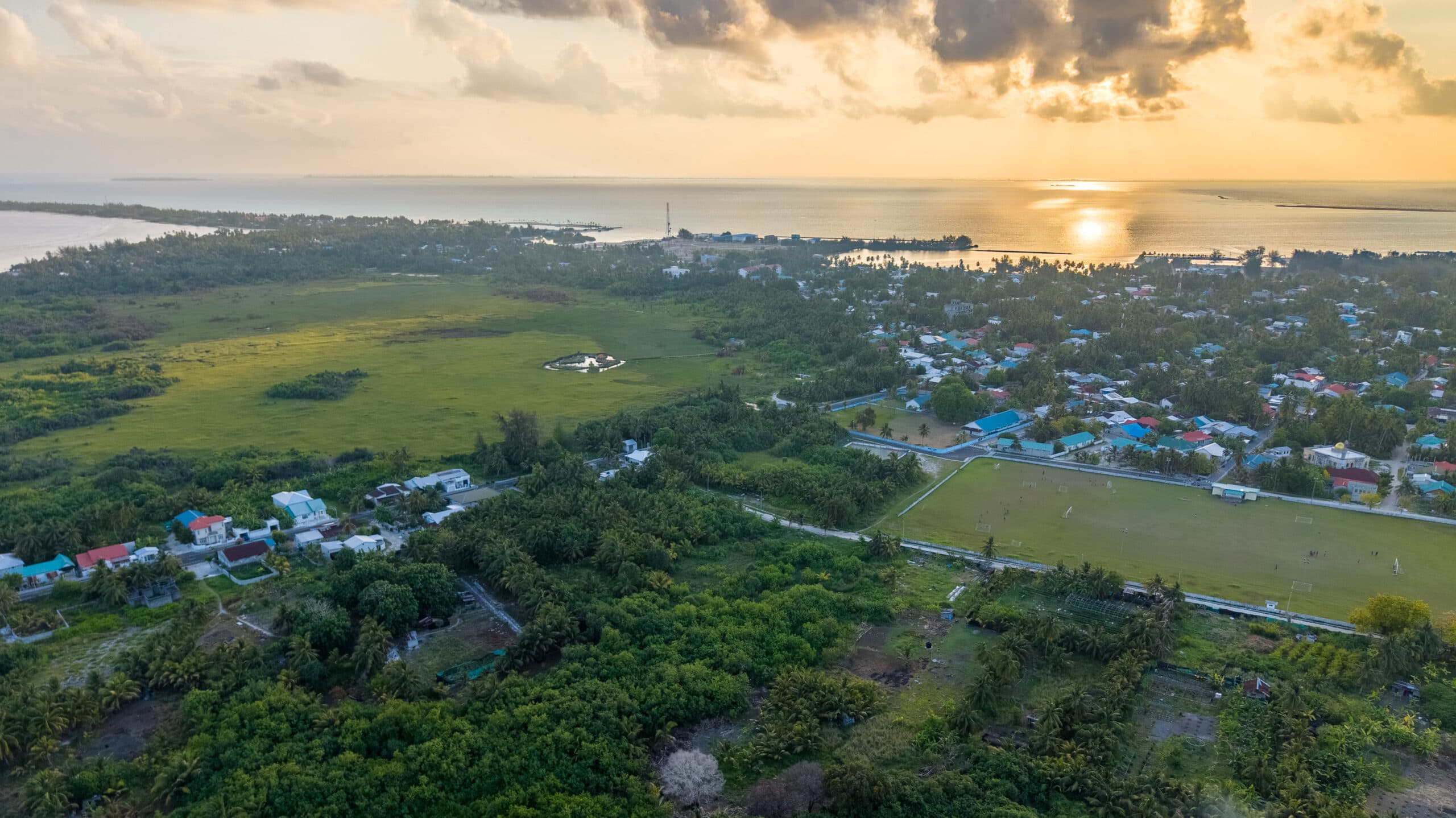
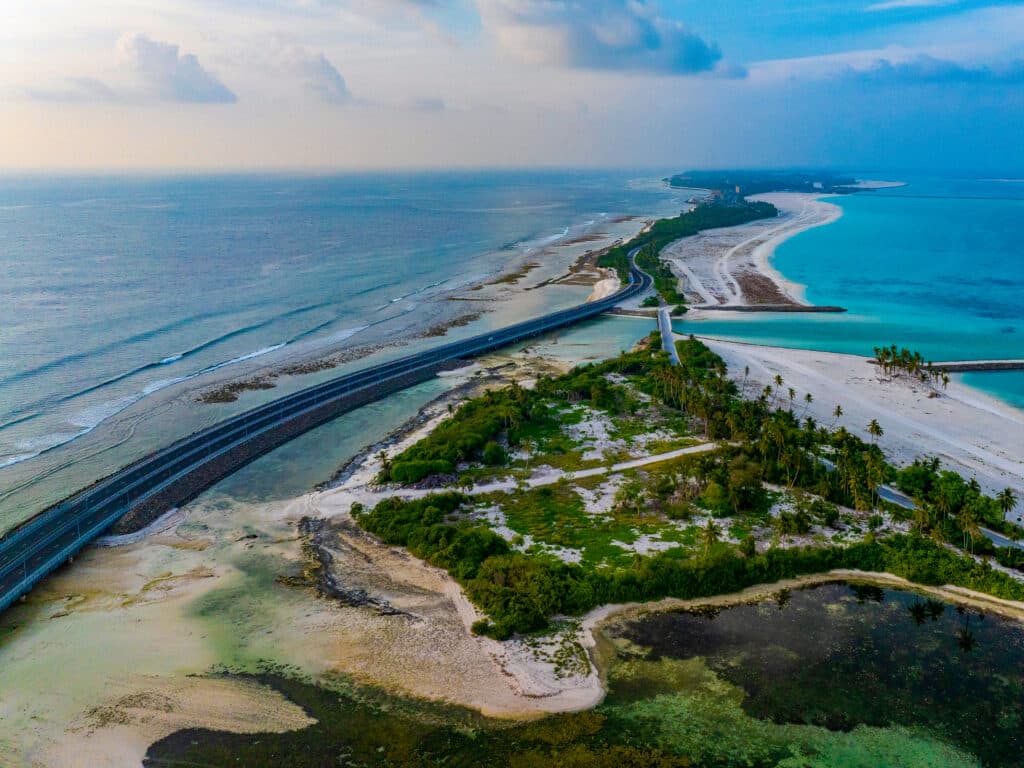
Addu Atoll sits at the southern edge of the Maldives. It is made up of both connected and separate islands, which allows travelers to experience different landscapes and communities within one destination. Because several islands are linked by roads, visitors can move by car, bike, or scooter instead of relying only on boats.
As a result, Addu feels easier to explore than many other atolls. The environment changes naturally from island to island. Wide lagoons, long reef walls, wetlands, farms, and open ocean views all exist within a short distance of each other.
Historically, Addu holds a unique place in Maldivian history. Gan Island once served as a British military base during World War Two, and several structures from that period still remain today. This adds a quiet historical layer to the island experience.
Today, Addu combines local island life, heritage, and nature in one place. Visitors are able to observe daily life alongside tourism activities, which creates a more grounded and realistic view of the Maldives.
Addu developed differently from the central and northern atolls due to its location and early external connections. Over time, this shaped its infrastructure, education, and social structure.
The local Dhivehi language carries a distinct southern accent and vocabulary. This reflects Addu’s strong regional identity and long history of independence in culture and lifestyle.
In addition, Atoll islands are generally larger and more open. Roads are wider, residential areas are spread out, and farms and wetlands remain part of everyday scenery. This contrasts with the denser layouts found in many other Maldivian islands.
Because the islands are connected by road, movement feels continuous rather than separated. As a result, life in Addu feels closer to a small town network than isolated island settlements.
Addu Atoll is located at the southern edge of the Maldives, just below the equator. Its position gives it a distinct natural character compared to central and northern atolls.
The atoll forms a natural ring of islands surrounding a wide inner lagoon. The lagoon is generally calm and shallow in many areas, while the outer edges of the atoll open directly to deep ocean waters.
Because Addu is large and spread out, the landscape includes beaches, reef flats, wetlands, mangrove zones, farmland, and open coastal plains.
Addu experiences a warm tropical climate throughout the year.
Temperatures remain stable, usually between 26°C and 31°C.
Being in the southern Maldives, Addu often experiences fewer sharp seasonal weather changes compared to northern regions. Rainfall is spread more evenly across the year, and long dry or stormy periods are less extreme.
Sea conditions are generally suitable for marine activities year round, although daily conditions can vary with wind and tides.
The inner lagoon of Addu Atoll is wide and open, with sandy bottoms, shallow reef areas, and clear water.
The lagoon supports:
Coral formations
Seagrass areas
Small reef fish
Calm swimming zones
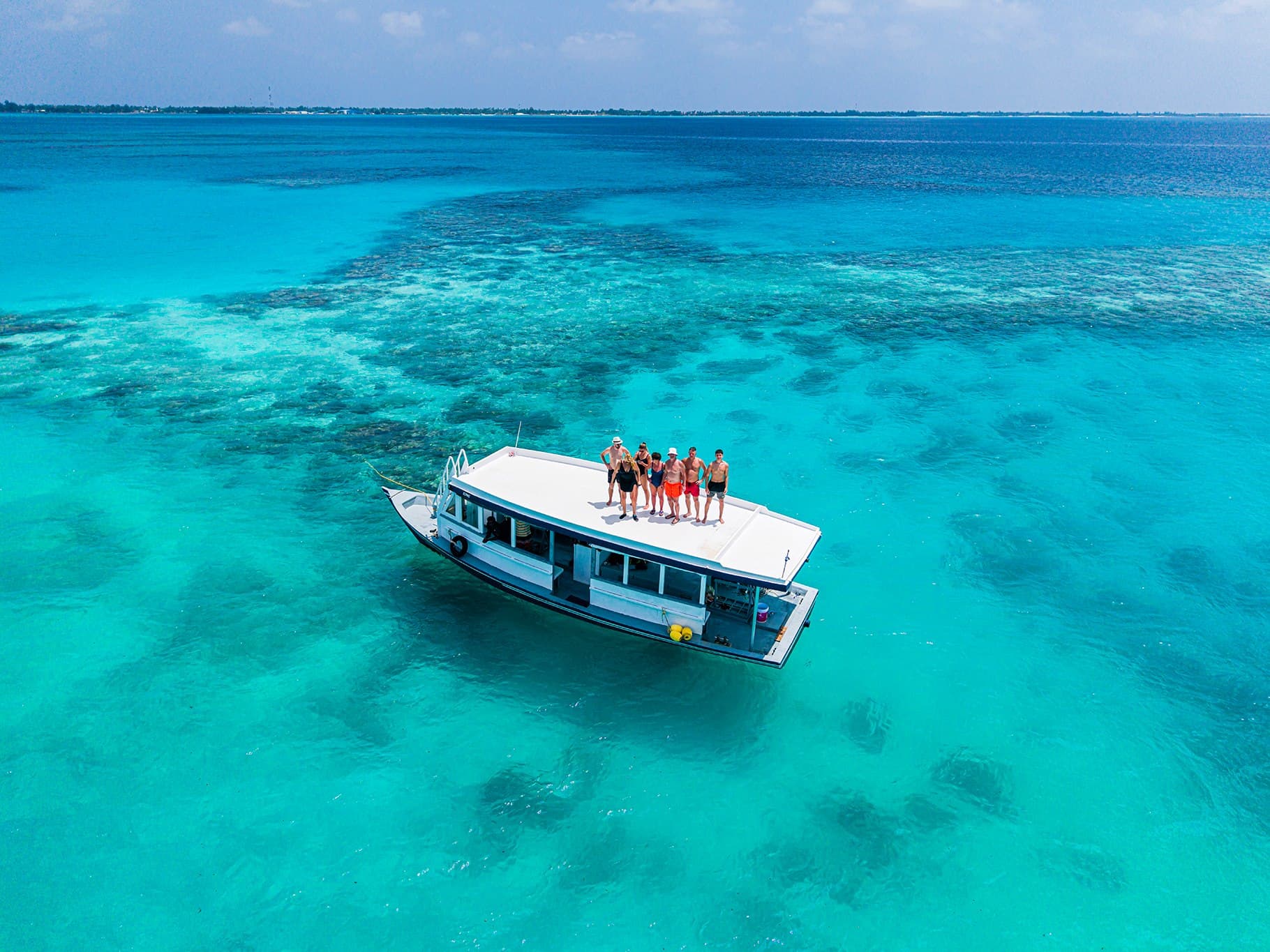
Many parts of the lagoon are protected from strong ocean waves, making them suitable for snorkeling, swimming, and small boat travel.
Addu Atoll has both inner reef flats and strong outer reef walls.
The outer reef drops into deep ocean waters and supports:
Large coral structures
Pelagic fish species
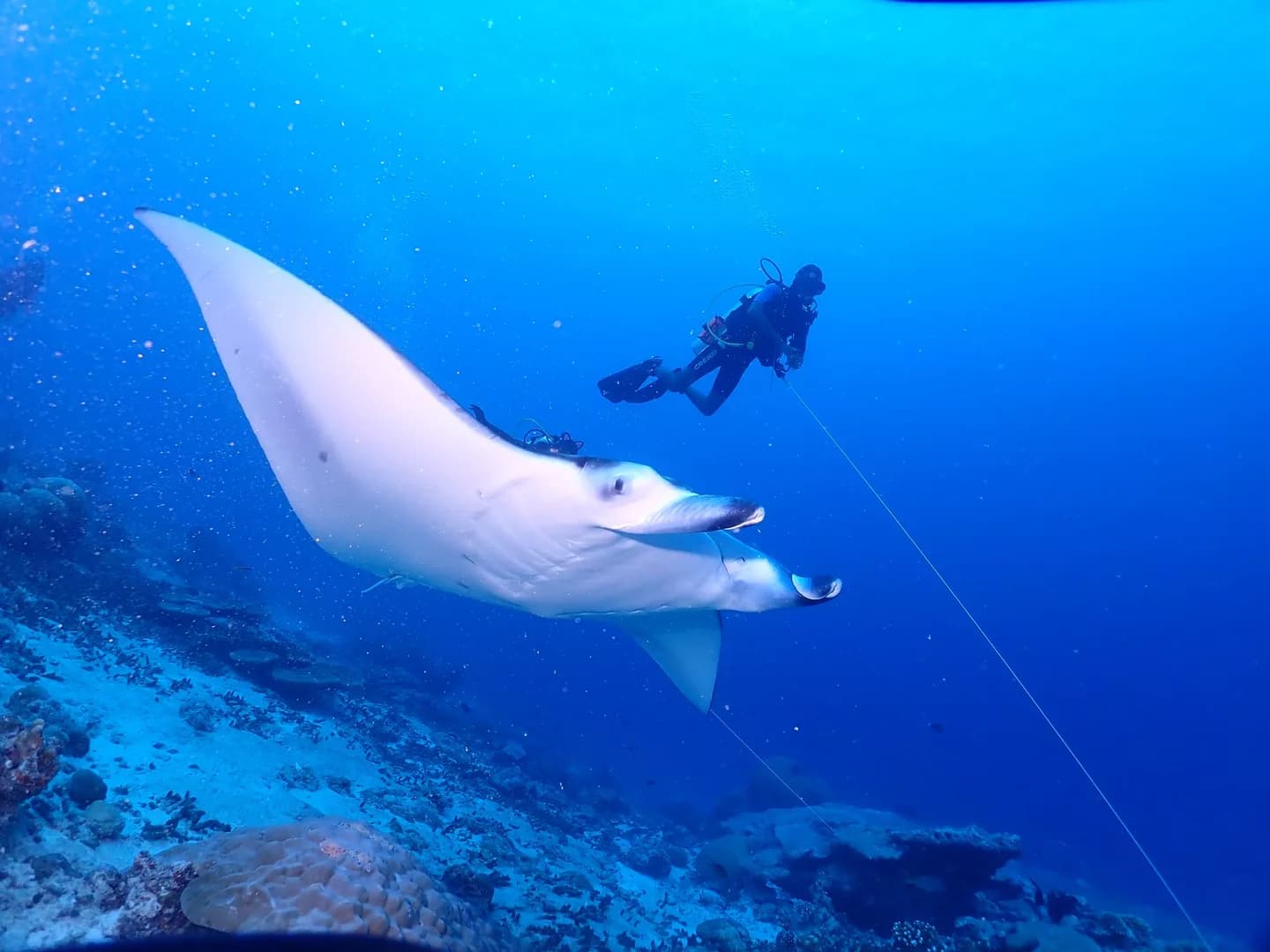
Shark and ray activity
Deep reef channels
The reef system forms a natural barrier that protects the lagoon while allowing ocean water to circulate through reef openings.
Several natural channels connect the lagoon to the open ocean.
These channels allow:
Water circulation
Marine migration
Nutrient flow
They also create areas where marine life concentrates, making them important for ecological balance.
The combination of lagoon, reef flats, outer walls, and channels supports a wide variety of marine species.
You may find:
Coral reefs
Tropical fish
Rays
Turtles
Sharks
Large pelagic species
Because of this diversity, Addu is known for strong marine biodiversity compared to many other atolls.
Gan Island is not a local residential island. It does not have traditional island housing or village communities.
Geographically, Gan is a long, flat island located at the southern edge of Addu Atoll. It has wide land areas, open coastal zones, and a structured layout shaped mainly by aviation and institutional use.
Gan Island contains:
Gan International Airport and runway
Airport administration and operational areas
Equator Village city hotel and resort zone
Maldives National Defence Force facilities
Southern Region Coast Guard base
The island has straight coastlines on both lagoon and ocean sides, with reef flats and deeper outer reef access. Because of its size and flat terrain, Gan has some of the widest roads and largest open spaces in Addu Atoll.
Gan is connected by causeway to Feydhoo, forming the southern gateway into the connected island chain of Addu.
Gan’s geography is functional and strategic rather than residential, which makes it different from all other islands in the atoll.
Feydhoo is the first local residential island after Gan. It is compact, narrow, and densely settled compared to Gan.
Geographically, Feydhoo has lagoon waters on one side and open reef on the other, with short distances between both coastlines.
The island acts as a physical bridge between Gan and Maradhoo and forms part of the continuous land connection of Addu.
Its geography reflects a traditional island layout, with homes, community spaces, and coastal access within a small land area.
Maradhoo is a longer island with wider residential and coastal zones.
It has shallow lagoon areas on one side and stronger reef exposure on the ocean side. The land stretches lengthwise, creating extended coastal access.
Maradhoo connects directly to Maradhoofeydhoo and shares similar coastal and reef characteristics, but with more open residential spacing.
Its geography supports both community living and easy coastal access.
Maradhoofeydhoo is located between Maradhoo and Hithadhoo and forms part of the historical core of Addu.
The island has mixed terrain with sandy beaches, reef flats, and vegetated inland areas. It sits close to important historical sites and coastal landmarks.
Geographically, it links the middle and northern sections of the connected islands.
Its coastline gives access to both lagoon and outer reef environments.
Hithadhoo is the Capital, the largest island in Addu Atoll and the second largest island in the Maldives.
It has an extensive land area with long coastlines, residential zones, commercial areas, wetlands, mangrove zones, and protected ecological regions.
Unlike most Maldivian islands, Hithadhoo contains natural freshwater wetlands and large green zones within the island itself. These wetlands support bird life, vegetation, and unique ecosystems.
Its size allows for wide roads, parks, markets, schools, hospitals, government offices, and natural reserves within one continuous island.
Geographically, Hithadhoo forms the central and most developed landmass of Addu Atoll and plays a major role in both ecological and human activity in the region.
Hulhumeedhoo is one island divided into two districts, Hulhudhoo and Meedhoo. It is the fifth largest island in the Maldives.
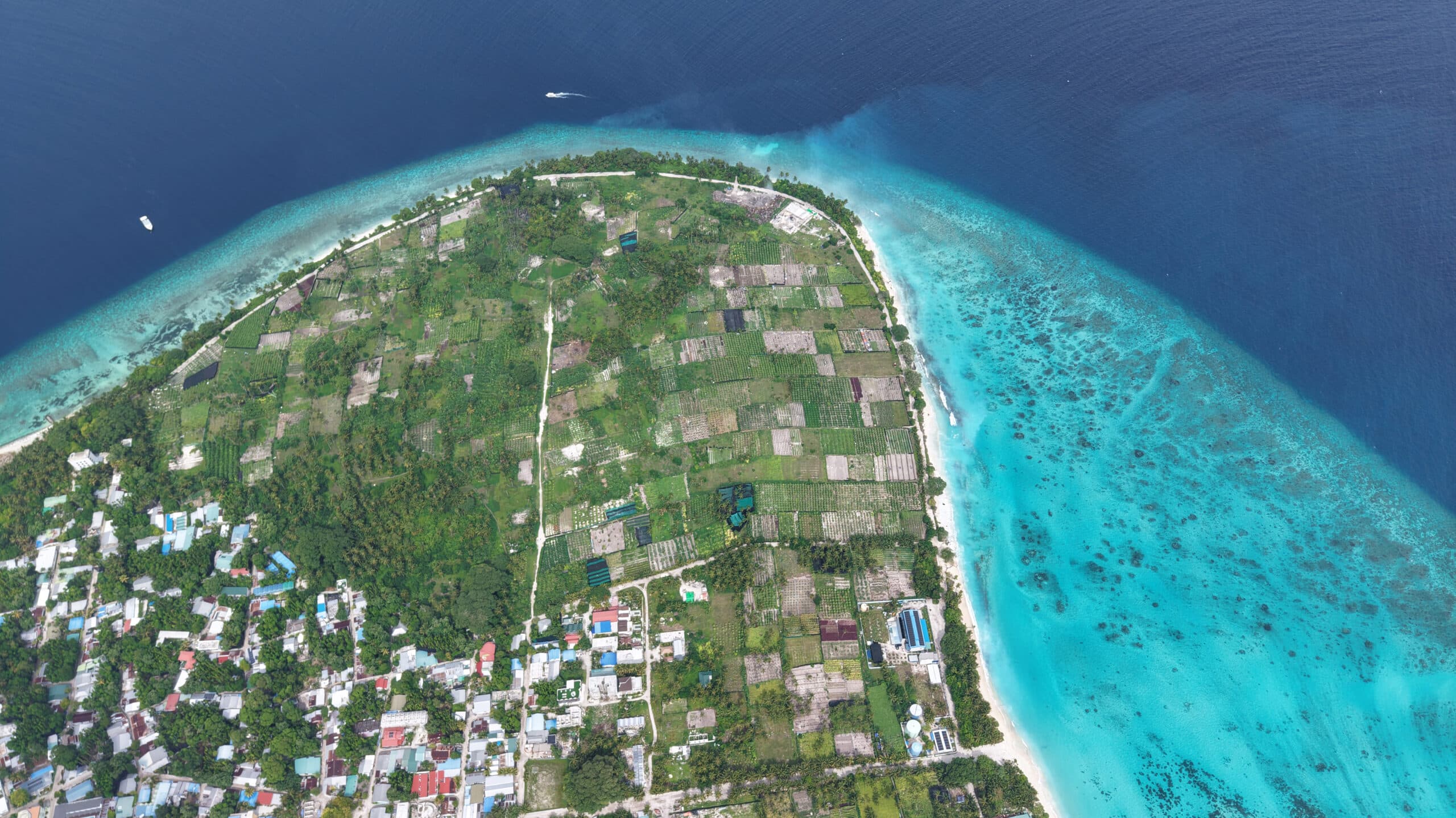
Geographically, Hulhumeedhoo is wider and more fertile than many other Maldivian islands. It contains agricultural land, wetlands, freshwater areas, and long natural coastlines.
The island has shallow lagoon zones on one side and open reef systems on the other, creating varied coastal environments. Its inland geography supports farming, home gardens, and dense vegetation, which are uncommon on many smaller islands.
Because of its size and natural soil, Hulhumeedhoo plays an important role in local food production and traditional farming practices in Addu.
Hulhumeedhoo’s geographic character is strongly ecological and rural compared to the connected urban islands of Addu Atoll.


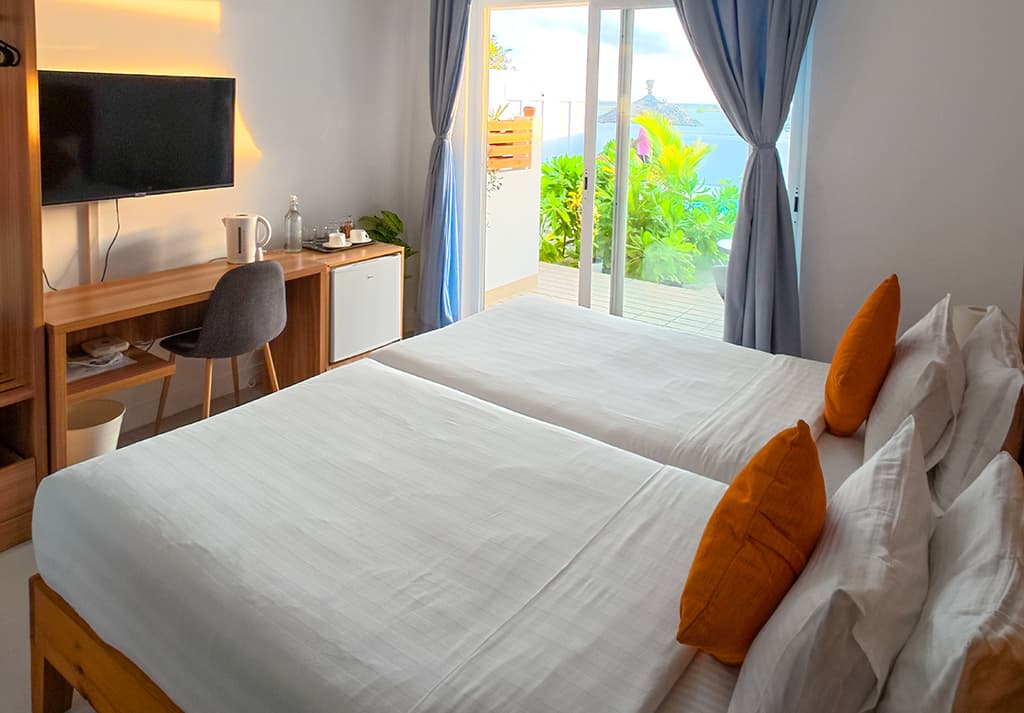
Private homes managed by local families or operators. Ideal for long stays, families, and travelers who prefer privacy with a local living atmosphere.
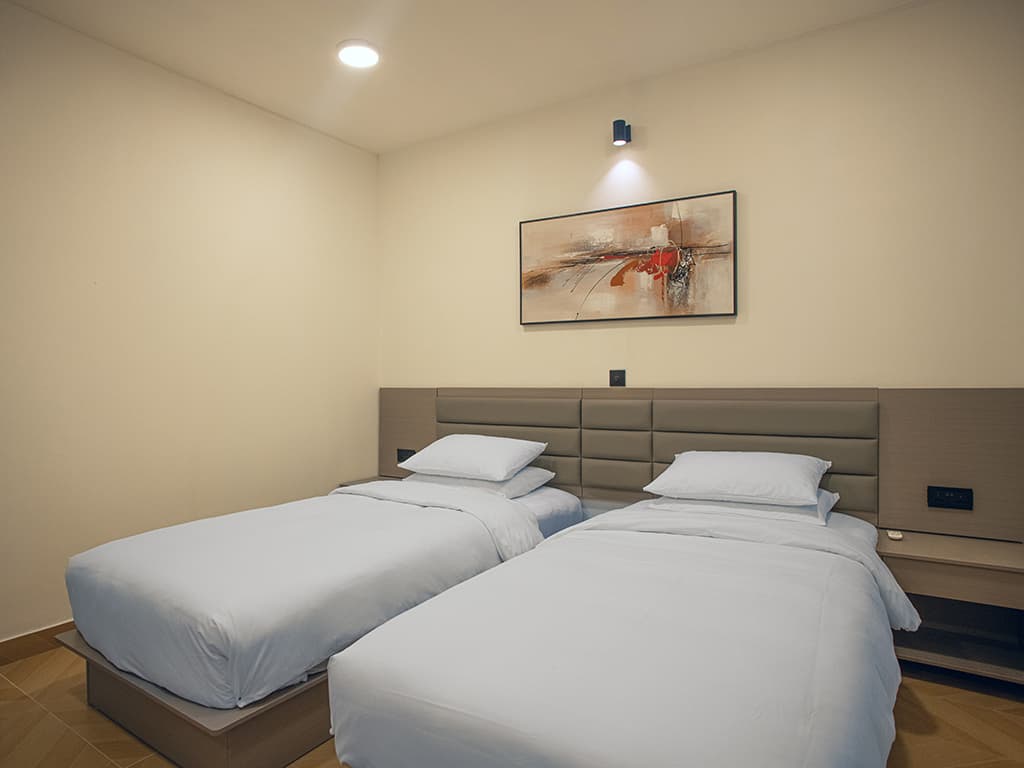
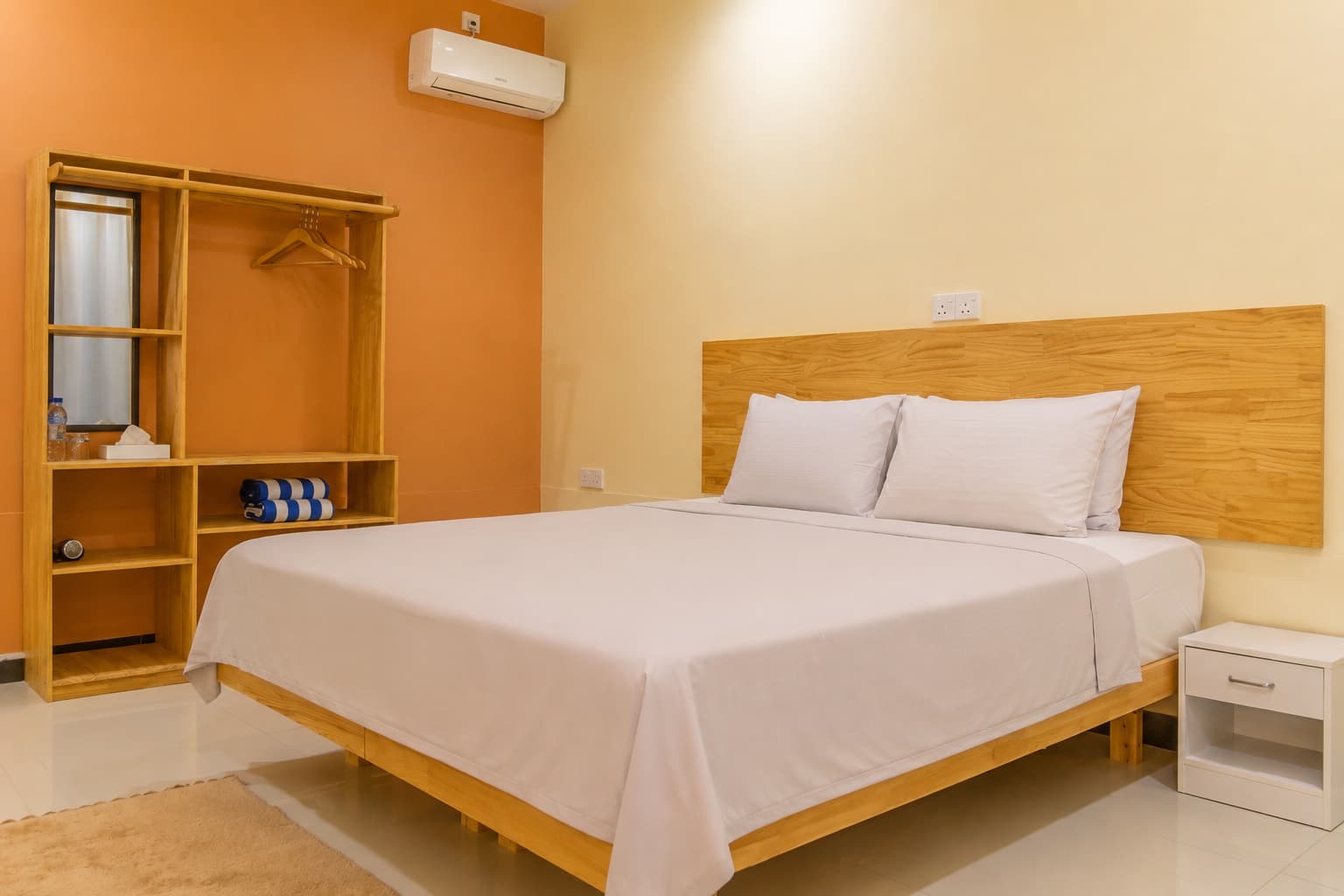
Local island accommodations with private rooms, breakfast, and personal service. Guesthouses are the most common and practical option for exploring Addu comfortably.
Small to mid size hotels located mainly in Hithadhoo and connected islands. These offer standard facilities with easy access to shops, cafes, and city services.
Resort properties located on dedicated resort islands or special zones in Addu. Resorts provide full service accommodation with private beaches and leisure facilities.
Hospitality in Addu begins with food. Even short visits usually include a meal or a drink.
Daily meals in Addu are built around rice, tuna, coconut, flatbread, and vegetables. Food is cooked to be filling and shared, not styled or portioned. The best way to experience everyday island food is in local homes, small cafés, or simple guesthouse meals, where recipes follow habit more than written instructions.
Traditional dishes such as mas huni, garudhiya, rihaakuru (tuna paste), curries, and coconut flatbreads are part of daily life rather than special occasions. These recipes have been passed through families for generations and remain mostly unchanged. The most authentic way to try them is at breakfast tables, home kitchens, or small local eateries.
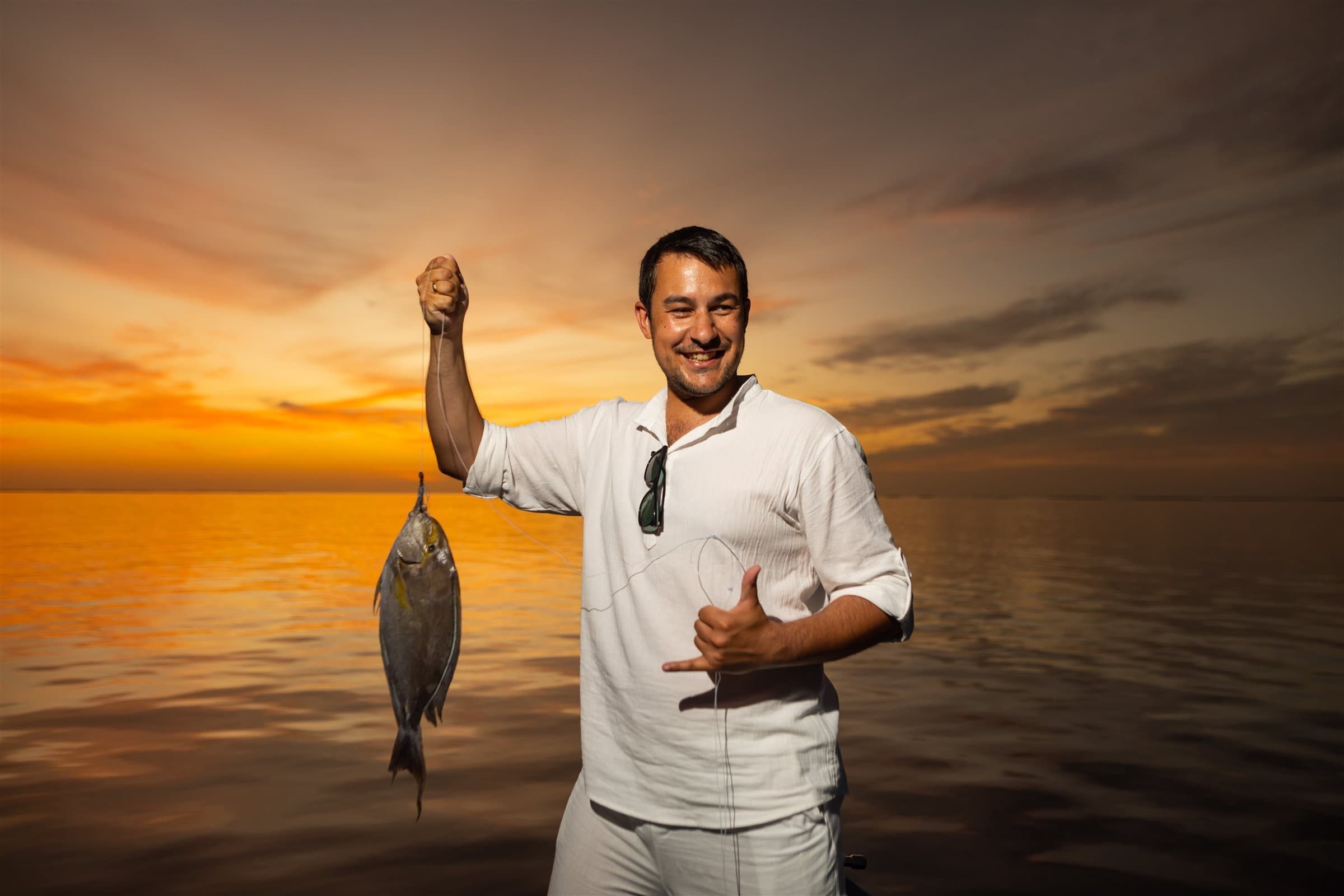
Fishing shapes what people eat in Addu. Grilled reef fish, tuna curries, dried fish, and fresh catches appear regularly on the table. Meals often depend on what was caught that day. To understand Addu’s seafood culture, eat what is available instead of choosing from a menu.
Cafés and small restaurants in Addu serve Maldivian food, seafood, and simple international dishes. Dining is relaxed, portions are generous, and presentation is secondary to taste. These places are best for casual meals, quick snacks, and everyday dining without formality.
Coffee is part of daily life in Addu. Many young locals now run small cafés and drink bars, focusing on Maldivian roasted blends and carefully prepared cups. Coffee is usually preferred over juice, and cafés are places to sit, talk, and slow down. Homemade non alcoholic drinks are also common, often made from fruits and local ingredients. The best way to experience this culture is to visit small local cafés and order what they prepare best.
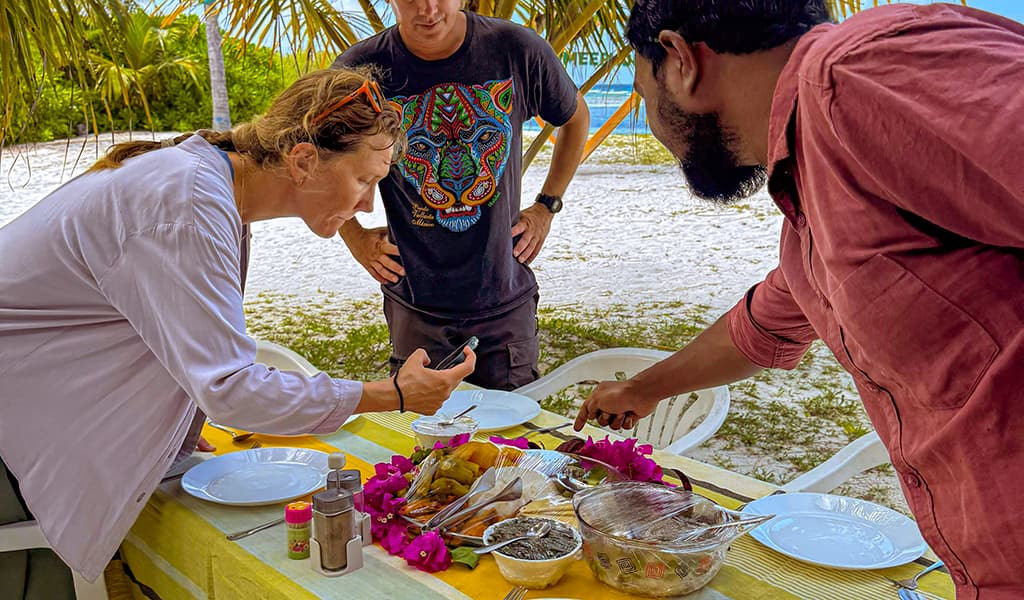
Picnic meals in Addu are simple and practical. Grilled fish, rice, flatbreads, fruits, and salads are packed for beach visits, island trips, and sandbank stops. These meals are meant to be shared outdoors, often with bare feet, sea views, and no schedule.
This point marks the southernmost location of South Asia, positioned deep in the Indian Ocean. Its importance comes from geography rather than structure. Standing here, you are at the edge of a region, not just a country.
For many visitors, reaching this point feels like an achievement. It represents distance, direction, and location more than scenery, making it one of Addu’s most meaningful places to visit.
Addu Nature Park protects one of the island’s rare wetland environments. It is important because it shows that it is not only about beaches and reefs, but also about inland ecosystems. Birds, trees, and open walking paths make this a place for quiet observation rather than activity. Locals value it as a breathing space inside the island.
Eco Garden sits inside Mathikilhi, the largest wetland in Meedhoo and the island’s lowest point. In the past, most rainwater flowed into this area, forming a wide freshwater body that supported fish and migratory birds. As the island became more urban, water flow reduced and much of the wetland was gradually taken over by saw grass.
Today, the local community protects the remaining water body and has built a small hut inside the kilhi, creating one of the rare green landscape views in the Maldives.
Gan Island holds one of the strongest historical identities in the Maldives. During World War II, it became a strategic British naval and air force base, shaping both the island and the wider region.
From 1941 onward, Gan supported Indian Ocean operations and later served as a critical staging point for aircraft until 1976. Many structures from that period still remain, including former military buildings, runway layouts, and monuments that quietly reflect this era.
One of the highlights is the old Astra Cinema, now presented as a gallery style museum. Inside, visitors can explore photographs, documents, and artifacts that bring this chapter of history into focus.
Walking through Gan feels like stepping into a place where global history once met island life. It offers travelers a rare chance to understand how Addu became connected to the wider world.
Koagannu is the oldest and most important religious site in the Maldives, located in Meedhoo, Addu Atoll. It provides a rare window into the early spiritual and cultural foundations of the nation.
Dating back to the 9th century, Koagannu preserves beautifully carved coral stone tombstones belonging to royals, scholars, and respected community leaders. Among them is one of the largest single block coral stone tombstones in the world.
The carvings, calligraphy, and symbolic designs reveal how early Maldivians expressed faith, identity, and artistry long before modern materials existed.
The site is recognized on UNESCO’s heritage tentative list for its outstanding cultural value. Koagannu is not simply a cemetery, but a journey into the spiritual, artistic, and historical roots of the Maldives.
Koshidhorage is one of the most meaningful heritage spaces in Addu Atoll. Instead of formal display halls, it welcomes visitors into a traditional family home where history feels close and personal.
Located in Hithadhoo, this private museum preserves a remarkable collection of artifacts that reflect both local life and national transformation. Inside, visitors explore objects from the British RAF era, ancient household tools, traditional clothing, handwritten documents, and historic newspaper records.
Over time, these objects quietly reveal how Addu and the Maldives evolved. Rather than explaining history through long panels, Koshidhorage allows visitors to understand the past through everyday items that once shaped real lives.
The space feels intimate and authentic. Unlike formal museums, it encourages conversation, reflection, and emotional connection. As a result, many visitors remember the feeling more than the facts.
Curated by historian Ibrahim Firaq and named after his grandfather, Koshidhorage is not only a collection of artifacts. It is a living memory of Maldivian heritage, carefully protected for future generations. Because of this, visiting Koshidhorage allows travelers to understand the Maldives through the stories of real people, real homes, and real history.
This is where connection begins.
Firaq runs Koshidhorage from his own family home in Hithadhoo. It is not arranged like a formal museum. It feels more like stepping into someone’s memory. He has collected objects from different periods of Addu and Maldivian life, including items from the British RAF era, old household tools, clothing, and newspapers. He knows where everything came from and why it matters. When he explains something, it feels personal, not academic. Koshidhorage is special because it exists only because one person cared enough to protect it.
Bodda is a Maldivian leather craftsman and musician based in Addu, known for building BUSK as a serious handmade leather studio. Many people first knew him as a guitarist, and he still performs today, but leather artistry has become his main focus. When you visit his studio, he shows you his tools, explains the process, and guides you to create your own leather piece, whether it is a wallet, card holder, watch strap, or phone cover. You are not just watching him work, you are part of it. You leave with something you made yourself, connected to your own story, and that is what makes meeting Bodda different from buying a souvenir.
Noddy is a professionally trained barista who spent years working in luxury resorts before choosing to return to his home island. He came back because he wanted his own people to experience the same standards he had learned. Today, he roasts his own coffee, including his Baukalo blend, which is well known across the southern region and used in some resorts. His coffee shop is small, simple, and focused on quality. When you sit there, you are drinking something he has shaped from raw bean to final cup. You meet Noddy because he shows how skill, discipline, and pride can live quietly on a local island.
Hamdhaan is a world class mixologist with experience and recognition from international luxury brands. Instead of continuing his career abroad, he chose to return to his home island to live his life in a more grounded way. In Addu, he creates mocktails, juices, and drinks using herbs, flowers, and ingredients that many locals have never experienced before, while also using local elements in new ways. His work brings global technique into a small island setting without losing its simplicity. When you spend time with Hamdhaan, you realize how rare it is to find this level of skill in such a quiet place, and that contrast is exactly what makes the experience special.
Gaareebe is widely respected in Meedhoo as a community leader who shaped how the island understands cleanliness and responsibility. For more than fifty five years, he has guided municipal work, environmental care, and community discipline through action rather than words. He also leads an NGO focused on keeping the island clean and green. What makes Gaareebe a leader is not authority, but consistency. The habits he built slowly became the island’s culture. When you walk through Meedhoo today, you are seeing the result of leadership that never needed attention to be effective.
Ramzy Hussain, known across the Maldives as Zuvaan Dhanduveriya, is a modern agriculturalist from Addu who turned farming into a national conversation. He works with technology and sustainable methods to grow crops in soil many people believed was too difficult to farm. Beyond his own fields, he actively teaches home gardening and food security to youth and senior citizens across different atolls, often in collaboration with national brands such as Ooredoo. Ramzy shows that farming in the Maldives is not about the past, but about adaptation, knowledge, and future resilience.
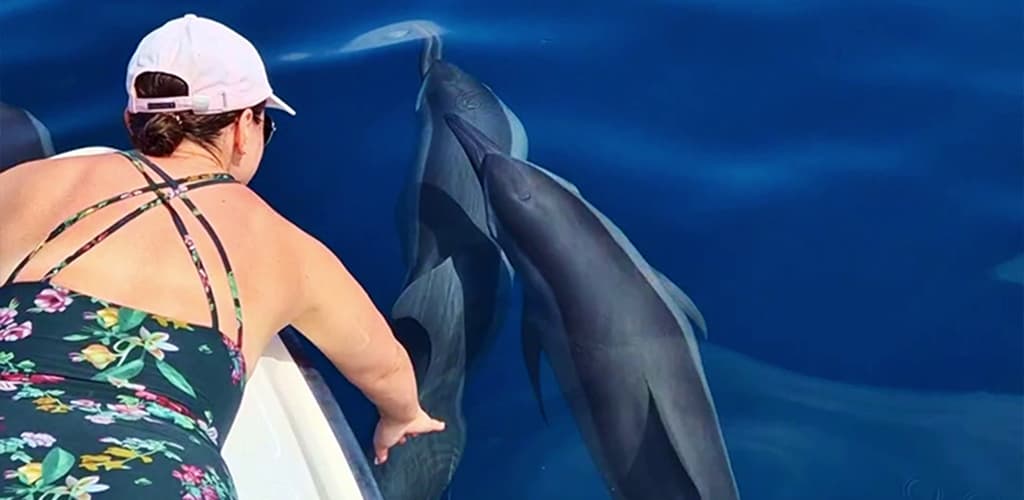
EXCELLENT Based on 9 reviews Posted on FionaDecember 2, 2025Verified Incredible local guides At very short notice Fayaz and Shiraf arranged to take me on a tour of Meedhoo. I didn't know what to expect but it turned out to a fantastic few hours and being local and passionate about their island made the trip very special. We whizzed around in their speedy electric vehicle visiting a great variety of sights both natural (such as the Hulhudhoo Mangroves), historical and cultural (such as the incredible traditional buildings made from coral, that are very sadly disappearing) to innovative small farms to supply other Maldivian islands with fresh vegetables and fruit, rather than relying on imports. Not to mention a selection of delicious local snacks to finish the tour off! I highly recommend Addu Travel and Tours because of the enthusiasm and knowledge of Shiraf and Fayez and their wish to give travellers an authentic taste of the many aspects of life on the beautiful island of Meedhoo in the very south of the Maldives.Posted on FlorenceNovember 18, 2025Verified Trust them!! Amazing experience with Addu Travel tours! We first visited the island with our two guides, where we learned a lot about Maldives culture and life on the spot. We were very well received and we are feasting at the meal! The second experience was snorkelling and dolphins. Another unique moment Many thanks to you both for your kindness, advice and passion 🫶🏽Posted on Tom hMarch 18, 2025Verified A perfect snorkeling trip with great local guides! Fantastic snorkeling trip with local guides who go above and beyond to make the day special. A must if you're staying at the Canareef resort! We were picked up in the morning and taken to the boat for a 3 hour snorkeling trip, with 2 locations and dolphin sightings in between.The amount of fish amongst the coral was unbelievable. We were very lucky that the weather and visibility were perfect so clownfish, dolphins, rays, a lobster, and a turtle were not hard to spot.When snorkeling we had freedom to explore and didn't feel rushed by the guides, and they pointed out cool things we never would have seen and we learnt so much about the local area from them.Fayaz sent over loads of footage from the trip and some incredible underwater go pro shots of the amazing things we saw. It was so easy to communicate through whatsapp, they accommodated our group of 6 adults and allowed us to rearrange the day we booked without any trouble.We cannot recommend them highly enough, they exceeded every expectation and made the trip a fun and authentic morning in a beautiful part of the Maldives.Posted on Rarey1March 12, 2025Verified Great trip Booked direct with Fayaz and communicated through WhatsApp. The whole process was seamless … from the taxi pickup to the return at the end of the day.Went to 2 different reefs, saw the dolphins and had a great morning.Never felt rushed or pressurised whilst snorkelling and enjoyed the experience.Would 100% recommend.Posted on Vicky BMarch 10, 2025Verified 100% recommend … fantastic experience Today we did the dolphin and snorkelling experience and what a fantastic expedience it was , Fayaz and the captain of the boat really took care of us and showed us some beautiful places , the snorkelling was breathtaking and I’m no expert but it’s a whole new world under there so would strongly recommend anyone of any level to have a go , the dolphins watching was spectacular , we saw so many and I’m sure Fazal and the captain would have continued to search for them until we found them , what also stood out to us was the knowledge and passion these guys have for the sea life and the job they do, we’d highly recommend it … thank youPosted on Jessica JMarch 6, 2025Verified Loveliest Maldives experience! Oh my gosh!!! Best tour ever. We went to snorkel, saw a turtle, a shark, plenty of beautiful colourful fish and corals. So pretty! Then we went to see the dolphins and oh my Gosh! There was soooo many and they came right up to the boat! It was magical. Fayaz and captain Shiyaan were phenomenal, took us everywhere we wanted, alerted us of all the animals, plaid some tunes and even took us to an uninhabited island where we ate the most delicious papaya, mango, and all the lovely local island fruits. Can’t recommend enough, so much better than booking through a resort and getting crammed in with 30 other people for double the price. Great day thanks again!Posted on Clayton CFebruary 20, 2025Verified 10/10 experience, snorkling with turtles and watching the dolphins We had an amazing experience with Addu travel and tours. We randomly met the guide, Fayaz, the day before, and told him that the dolphin watching we were thinking about was fully booked, and we were leaving in two days. He kindly said that even if they didn't have any other bookings the next day (they usually have 4+ pax on the trip) they would make sure we got to see the dolphins. So the next day we had 4+ hours with him and his crew, snorkeling with turtles, watching dolphins play and eat lunch on a local island (Kandyhera). 10/10 experience, and to a price that's unmatchable. I recommend this trip to everyone who travels to Gan!Thank you Addu travel and Tours!Posted on Stacia WFebruary 10, 2025Verified Unforgettable experiences 😍 I had an incredible experience with Addu Travel and Tour on their dolphin and snorkeling trip! From start to finish, the entire day was unforgettable. The crew Fayaz, Choppa and the boat capt. was welcoming, friendly, and professional, ensuring that everyone felt comfortable and safe throughout the adventure. We had the chance to see dolphins in their natural habitat, which was absolutely magical. The snorkeling spots were beautiful, teeming with vibrant coral reefs and diverse marine life. The equipment provided was top-notch, and the guides were knowledgeable, offering tips and insights along the way. If you're looking for an amazing ocean adventure, I highly recommend this trip with Addu Travel and Tour. It was an absolute highlight of my vacation!Posted on Gloria FFebruary 10, 2025Verified BEAUTIFUL EXPERIENCE Amazing organization and experience in small group. We had a half day trip with dolphins watching, we swam with turtles and we snorkeled in two beautiful points with an amazing reef and so many fishes. The guys are very happy to guide you in their bay. They know what to do and where to go. They organized also a perfect lunch on a private Island. Very very reccomended for people who wants to see the real side of Maldives.
Travelers choose Addu Travel and Tours for reliable planning, transparent communication, and genuine island experiences in the southern Maldives.
The Maldives Deep South Is Opening Up, and Addu Atoll Is at the Centre of It 30 January...
Read MoreWhen Is the Best Time to Visit Addu Atoll, Maldives? Weather, Seasons, and Smart Travel Tips 29 January...
Read MoreAddu Atoll vs Central Maldives: Honest Cost & Experience Comparison for Smart Travelers (2026 Guide) 10 January 2026...
Read MoreHow to Reach Addu Atoll Maldives: Flights, Transfers & Hulhumeedhoo Access Explained (2026 Guide) 10 January 2026 Accessibility...
Read MoreAddu Atoll Maldives: The Ultimate Hidden Paradise Guide (2026 Edition) 10 January 2026 Destination Introduction: Addu Atoll Maldives...
Read MoreDiscover Meedhoo Like Never Before: Join Our Free Island Walking Tour! 14 December 2024 This is not just...
Read More